A serious car accident upends everything at once — your health, your income, your family's routine — while an insurance adjuster you've never met starts building a file to pay you as little as possible. I've spent fifteen years representing car crash victims across Nebraska and Iowa, from rear-end collisions on Interstate 80 to intersection crashes on Dodge Street, and my approach is the same in every case: prepare it for trial, and make the insurer price it accordingly. That includes car accident cases from Kearney and the other mid-state communities along I-80.
A few of the results behind this page; the full list is longer. Past results do not guarantee a similar outcome; every case is different.
The Auto Accidents I Handle
Rear-end collisions. The most common crash on Nebraska roads, and the most commonly underestimated. Insurers treat rear-end claims as routine whiplash files, but the medicine says otherwise: neck and back injuries from rear impacts can involve disc damage, nerve involvement, and years of treatment — and the size of the dent does not determine the size of the injury. My $230,345 recovery for a passenger hurt in a low-speed, small-impact collision is the proof: the insurer opened that file expecting to close it for nuisance value.
Intersection and left-turn crashes. Omaha's arterial grid — Dodge, Center, Maple, 72nd, 144th — produces a steady stream of T-bone and left-turn collisions, where the physics put the striking car's energy directly into the occupant compartment. These cases usually turn on right-of-way and timing, which means they turn on evidence: signal phasing, witness accounts, vehicle damage geometry, and increasingly, nearby camera footage that gets overwritten within days if nobody moves to preserve it.
Head-on and crossover crashes. The deadliest category on two-lane rural highways, where a moment's drift becomes a closing-speed catastrophe. These cases are as serious as injury litigation gets, and they frequently become wrongful death cases, where Nebraska's shorter two-year deadline (Neb. Rev. Stat. § 30-810) applies.
Distracted and impaired driving. A driver on a phone or over the limit isn't just liable — the conduct itself changes how a jury hears the case, and how I build it. Phone records, bar receipts, and criminal case outcomes all become part of the civil file.
Interstate crashes. I-80, I-680, and I-29 carry commuters alongside heavy freight at highway speeds. Multi-vehicle chain reactions, lane-change collisions, and stopped-traffic impacts raise multi-defendant questions ordinary crashes don't — including, when a commercial truck is involved, an entirely different body of federal safety regulation. (Those cases get their own page: see my semi-truck accident practice.)
Passengers and children. Passengers are almost never at fault, which makes their claims uncomplicated on liability and heavily contested on damages. I've recovered $1,275,000 for a passenger injured in a single-vehicle crash and $100,000 for a minor passenger hurt in a crash in Papillion. Children's cases add court-approval protections for any settlement — a safeguard I handle as part of the case.
Two kinds of crashes have their own pages: Uber and Lyft accidents, and collisions at Omaha’s most dangerous intersections.
How the Insurance Company Works Your Claim
It helps to understand what's happening on the other side, because it starts the day of the crash. The adjuster's playbook is remarkably consistent:
The early call and the recorded statement. Within days, someone friendly calls to "get your side of it" — recorded. Innocent phrasing ("I'm feeling better," "I didn't see him until the last second") gets replayed months later to argue your injuries were minor or the crash was partly your fault. You are not required to give the other driver's insurer a recorded statement, and you shouldn't before talking to a lawyer.
The fast, low offer. A check dangled while you're still treating — before anyone knows whether your shoulder needs surgery or your headaches resolve. Once you sign the release, the claim is over forever, no matter what your body does next.
The treatment-gap argument. Every week you delay care or skip appointments becomes an argument that you weren't really hurt. Consistent treatment is both good medicine and the backbone of your claim's value.
The prior-condition hunt. The adjuster will comb your medical history for anything — an old back complaint, a previous crash — to argue your injuries existed before. Nebraska law compensates the aggravation of a pre-existing condition, but proving the before-and-after picture takes medical testimony, not assurances.
The comparative fault squeeze. Nebraska's modified comparative negligence rule (Neb. Rev. Stat. § 25-21,185.09) reduces your recovery by your percentage of fault — and bars it entirely at 50%. Adjusters know this, so they assign inflated fault percentages to shave value: you were "speeding," you "could have avoided it," you "stopped short." Ten percentage points of invented fault on a $300,000 case is $30,000 taken from your family — which is why pushing back on those allocations with evidence is central to how I litigate.
I go deeper on each of these in recorded statements, should I accept the first settlement offer, and pre-existing conditions.
Who Pays Your Medical Bills While the Claim Is Pending
This is the question that worries people most in the first month, and the honest answer is: not the at-fault driver's insurer — not yet. Liability insurers pay once, at the end, in a settlement or verdict. In the meantime, bills are typically handled through your own health insurance, medical payments ("med-pay") coverage if your auto policy includes it, or arrangements with providers.
Then comes the part nobody warns you about: health insurers, hospitals, and government programs like Medicare and Medicaid may assert repayment rights — liens and subrogation claims — against your eventual settlement. A settlement that sounds impressive can shrink alarmingly if the liens aren't handled. Negotiating those repayment claims down where the law allows is part of my job on every case, and it often adds real money to what you actually take home. It's also one more reason not to settle early: the settlement has to be big enough to cover the liens and fairly compensate you.
The details are in medical liens and subrogation: how much of a settlement you keep. If money is tight while you wait, read why I advise against pre-settlement funding before you sign with a lawsuit lender.
What Your Claim Is Really Worth
Insurers make fast, low offers while you're still treating — before the full picture of your medical costs, lost wages, and future limitations exists. Accepting early almost always costs you money. The value of a Nebraska crash case is driven by the severity and permanence of your injuries, the clarity of liability, and the insurance available.
The injury piece deserves plain talk. Crash injuries run a spectrum — soft-tissue injuries that resolve with therapy, disc injuries that need injections or fusion surgery, fractures with hardware, shoulder and knee tears, concussions and traumatic brain injuries whose cognitive effects surface over months. Each step up that ladder changes the case's value by multiples, and the future component — the surgery your doctor says you'll likely need at fifty, the overtime you can no longer work — is routinely the largest number in the case and the one insurers most hope you'll forget. I don't value a case until the treating physicians can speak to permanency, and where the injuries justify it, I bring in life-care planners and vocational experts to put defensible numbers on the future.
The insurance piece matters just as much. Nebraska requires drivers to carry uninsured and underinsured motorist coverage, and in serious-injury cases your own UM/UIM policy — and sometimes other household policies — can matter as much as the at-fault driver's coverage. Minimum liability policies are often far too small for a hospitalization-level injury. Before I value any claim, I trace every layer of available coverage. Several results below are policy-limits recoveries: every dollar that existed.
For the injuries insurers dispute most, see whiplash, neck and back injuries and herniated disc injuries. For income, see lost wages and earning capacity.
The Timeline: What Actually Happens in a Car Accident Case
Every case is different, but the arc is consistent. First weeks: get medical care, preserve evidence — photos, witness names, the vehicles before repair — notify your own insurer, and get legal advice before giving any statements. Treatment phase: you treat until your doctors understand your long-term picture, reaching what's called maximum medical improvement or a clear prognosis. Settling before this point means guessing at the biggest number in your case. Demand and negotiation: I assemble the medical records, wage documentation, and liability evidence into a demand package the insurer has to take seriously — because it's the same file I'd try the case with. Lawsuit, if needed: most cases settle, but the credible willingness to file suit and try the case is exactly what makes them settle well. Filing starts discovery — depositions, expert disclosures — and cases frequently resolve at mediation along the way.
Patience here is not delay; it's value. The difference between the ninety-day settlement and the properly developed one is often the difference between the ER bill being covered and your future being covered.
Nebraska Law You Should Know
Most Nebraska personal injury claims must be filed within four years (Neb. Rev. Stat. § 25-207), but evidence disappears far faster than deadlines run — vehicles are repaired, video is overwritten, witnesses move. Some claims carry much shorter deadlines, including claims involving government vehicles or entities, which have their own notice requirements. Iowa's deadlines differ from Nebraska's and can be shorter — if your crash happened across the river, get specific advice promptly. Every Nebraska deadline, with the statute text, is in my Nebraska statute of limitations guide.
Nebraska's roads earn the caution: the state recorded 228 traffic fatalities in 2025 according to NDOT's annual report, and the serious-injury count runs far higher. Behind every one of those numbers is a family learning this system for the first time, usually while hurt. You don't have to learn it alone — and before you give a recorded statement to the other driver's insurer, talk to a lawyer. It costs nothing, and that one conversation often protects more value than anything else you can do in the first week.
Where These Crashes Happen — and When
Fifteen years of Nebraska crash files teach you the map. The metro's commuting corridors — I-80 through Omaha, I-680, West Dodge, 72nd, 144th — produce the daily rhythm of rear-end and lane-change collisions, concentrated at rush hour and wherever traffic compresses without warning. The rural two-lane system produces fewer crashes but worse ones: higher speeds, no median, longer emergency response times, and head-on exposure every time someone drifts or passes badly.
The calendar matters too. Winter turns every bridge deck and off-ramp into a liability question — and "it was icy" is the beginning of a fault analysis, not the end of one, because Nebraska drivers owe reasonable care for the conditions. Fall brings deer onto the highways, and the swerve-and-crash cases that follow raise their own coverage puzzles — I wrote a full guide on Deer & Wildlife Collision Claims for exactly those. Summer brings construction zones with shifted lanes and sudden stops, and holiday weekends bring the impaired and aggressive driving that enforcement campaigns exist to catch. None of this is trivia: where and when a crash happened shapes which evidence exists, which defenses get raised, and sometimes which additional defendants belong in the case.
The Other Claim: Your Vehicle
Your injury claim and your property damage claim are separate tracks, and the property track moves first — which is exactly why insurers use it to set the tone. A few things worth knowing. You're entitled to proper repair or, if the vehicle is totaled, its actual value — and "totaled" is a math question you're allowed to check, not a verdict. A repaired vehicle that now carries an accident history can also be worth less. Whether that loss can be recovered in Nebraska depends on proving the repairs did not restore the vehicle to its pre-accident condition. Rental coverage, storage fees, and personal property in the vehicle all belong on the list too.
Here's the trap: the fast, friendly property settlement is often the opening move in softening you up for a fast, unfriendly injury settlement. Sign the property release — that's normal — but read what you sign, because a release worded to cover all claims can extinguish an injury case with a signature. When I handle a crash case, the property claim gets handled correctly in the background while the injury claim gets built properly in the foreground, and no release leaves my office covering more than it should.
What Makes a Crash Case Strong
After fifteen years, I can usually tell in the first meeting which cases will command respect from an insurer, because strength comes from the same handful of sources every time. Clear liability evidence — photos, witnesses, data — gathered before it vanished. A medical record that starts promptly and continues consistently, with every injured body part documented from the first visit. Honest clients whose story never needs adjusting, because juries and adjusters both smell exaggeration and both reward candor. Wage documentation that turns "I missed work" into a number. And a lawyer the insurer believes will try the case — because every one of these ingredients gets priced higher when trial is a live possibility instead of a bluff. None of this requires a perfect victim or a perfect crash; it requires early, careful work. That's the actual answer to "do I have a case?" — bring me the facts, and I'll tell you honestly what they support.
How that evidence is found and preserved is covered in dashcam video, phone records and vehicle data.
Car Accident Cases in Depth
Dedicated pages on the parts of a crash claim that decide what it is worth.
Real Crashes, Real Cases
These photographs come from actual crashes in cases I handled and resolved — because words undersell what a collision does.
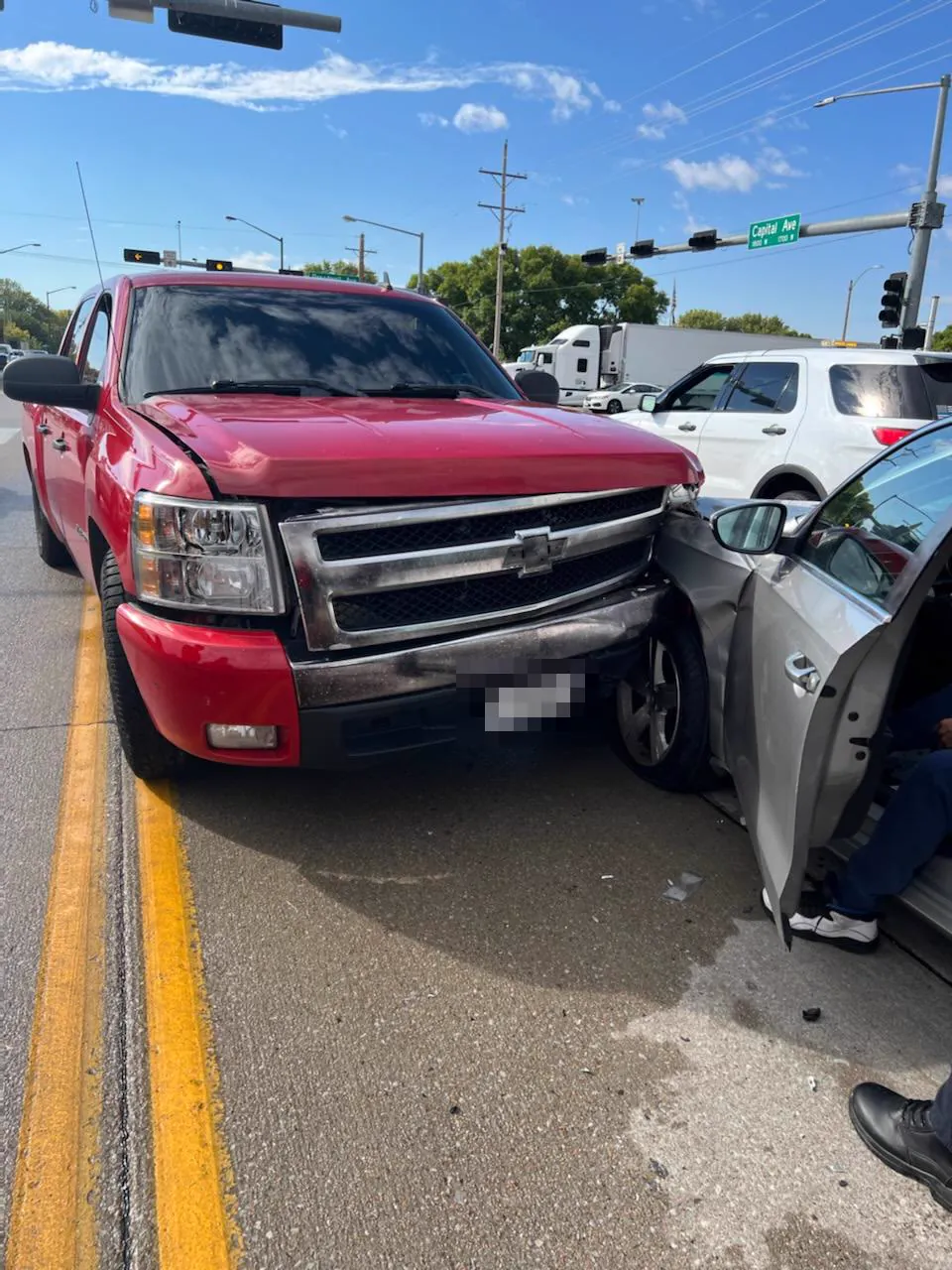
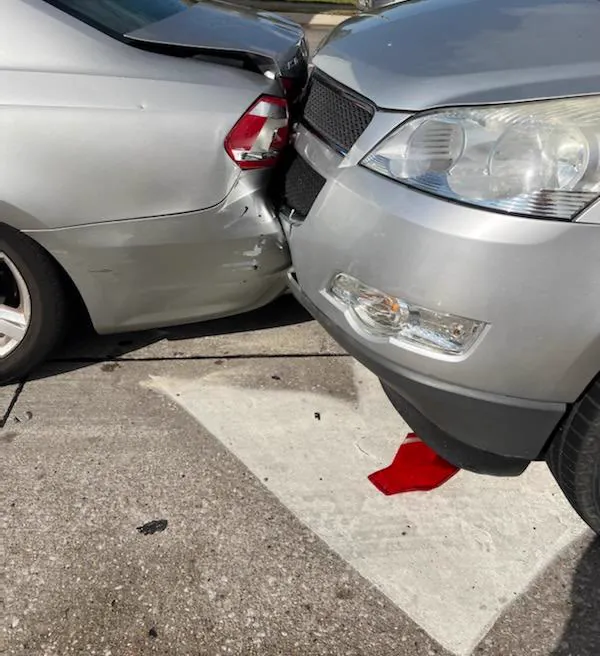
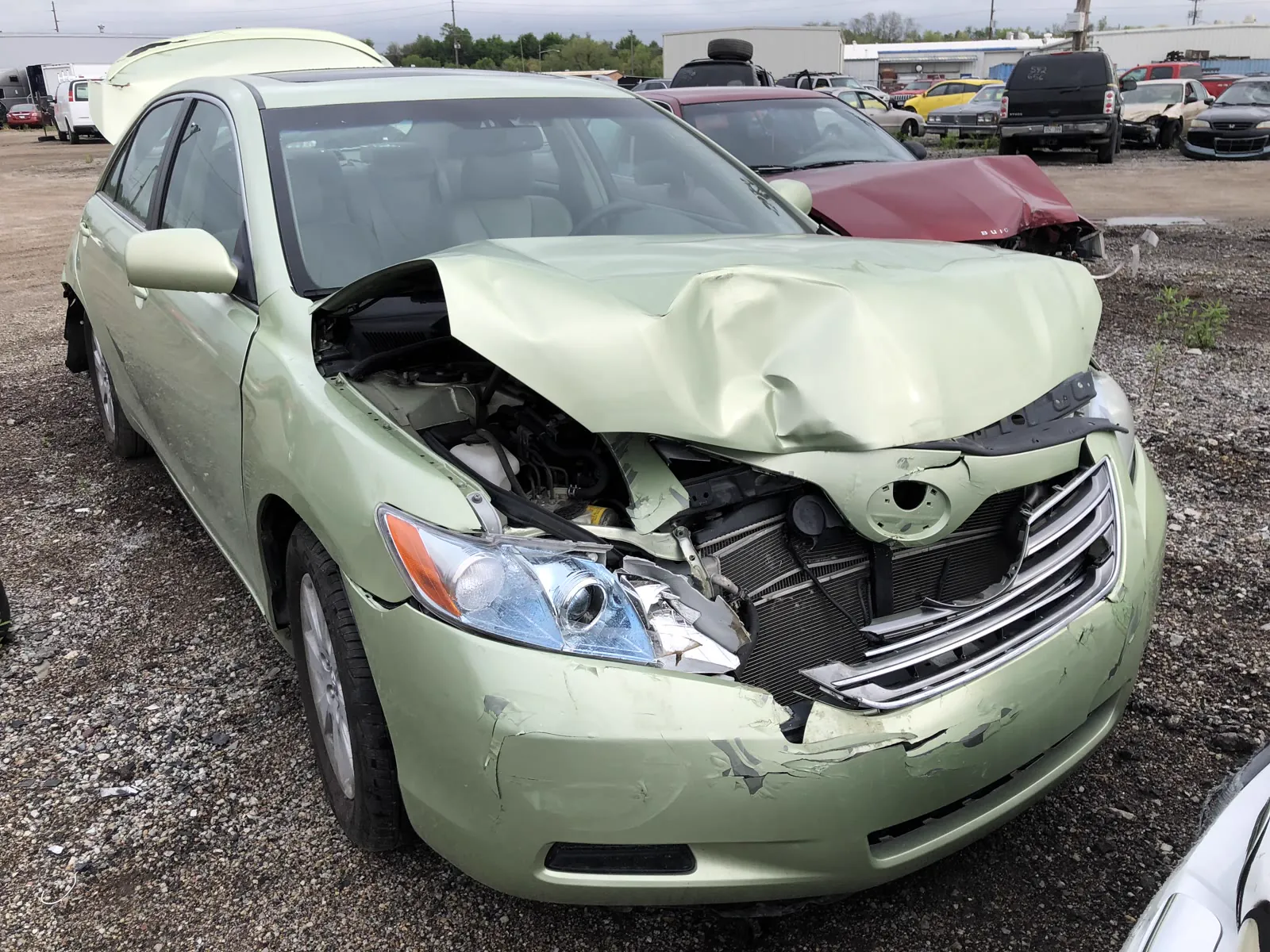
Photos from resolved client matters; identifying details obscured.
Selected Results
From my full results list. Past results do not guarantee future outcomes.

Your Attorney
Frank Younes
Every page on this site is written by Frank Younes, a Nebraska trial attorney with a published record of verdicts and settlements, selection to the National Trial Lawyers Top 100, and a practice that covers every county in Nebraska and Iowa. No case is handed to an associate — the lawyer you read here is the lawyer who works your case.
More about Frank → · Free consultation: (402) 378-9208
One crash type runs on entirely different law: a vehicle struck by a train. Crossing collisions bring federal preemption, locomotive event-recorder evidence and a railroad that investigates within hours — covered on my railroad crossing accident page.
Frequently Asked Questions
Do I need a car accident attorney after a crash in Omaha?
Not for every crash. If nobody was hurt and the only claim is minor vehicle damage, you can often handle it yourself. If you were injured, an auto accident attorney is worth a free consultation before you give a recorded statement or sign anything, because the insurer’s first offer usually comes before anyone knows what your treatment will cost. I handle motor vehicle accident cases on a contingency fee, so there is no fee unless I win.
How much does a car accident lawyer cost in Omaha?
Nothing up front. I handle car accident cases on a contingency fee — no attorney's fee unless I win your case — and the consultation is free.
What should I do in the first week after a crash?
Get medical care and follow through with treatment, photograph the vehicles and your injuries, report the crash to your own insurer, and do not give a recorded statement to the other driver's insurance company before speaking with a lawyer.
How long do I have to file a car accident claim in Nebraska?
Generally four years under Neb. Rev. Stat. § 25-207 — but some claims have shorter deadlines, and the evidence that wins cases disappears within weeks. Talk to a lawyer early.
Who pays my medical bills while my claim is pending?
Usually your own health insurance or med-pay coverage — the at-fault insurer pays once, at the end. Providers and insurers may assert liens against your settlement; negotiating those correctly is part of maximizing what you actually keep.
What if the driver who hit me has no insurance, or not enough?
Nebraska requires uninsured/underinsured motorist coverage, so your own policy likely provides a path to recovery — and household policies can sometimes add layers. This is one of the most commonly missed sources of compensation in serious-injury cases.
What is my case actually worth?
It depends on the severity and permanence of your injuries, your medical costs and wage losses (past and future), the strength of the liability evidence, and the insurance available. Anyone who quotes you a number before your medical picture is clear is guessing. My job is to make sure the number reflects the complete picture — several of my results were the at-fault policy's every available dollar.
Will I have to go to court?
Most car accident cases settle without a trial. But insurers pay trial value only to lawyers they believe will actually try the case — so I prepare every case as if it's going in front of a Nebraska jury, and settlement follows from that.
The insurance company already offered me money. Should I take it?
Not before you understand your full medical picture and every layer of coverage. Early offers are made precisely because they're cheap. Once you sign a release, there is no reopening the claim — no matter what treatment you need later.
Talk to Frank — Free Consultation
The insurance company already has professionals working your claim. I've recovered more than $23,000,000 for injured Nebraskans, with 41 verified five-star client reviews and a firm voted Best of Omaha for personal injury law in 2025 and 2026. My job is to take the stress off your shoulders, take up the shield for your family, and fight for every dollar you're owed.
Call (402) 378-9208From the Blog
Recent writing on this area of the law.
A road worker struck by a passing vehicle usually has two claims, not one — workers' compensation plus a separate claim against the driver that reaches the lost earning capacity and pain and suffering comp never pays.
Two thirds of crashes caused by an earlier crash are rear-enders at the back of the queue — and "everybody was stopping suddenly" describes why a driver needed more room, not why they're excused for not having it.
Adjusters read public posts and defense teams hire surveillance on bigger cases — the fix isn't deleting your accounts, it's keeping your medical record honest enough that a wedding photo proves nothing.
A dented bumper is not a medical opinion — here's the "minor impact" playbook adjusters run on low-damage crashes, and what actually holds up against it.
The at-fault driver's insurer doesn't pay your bills as they come due — here's what actually bridges the gap.
When the at-fault driver has no insurance — or nowhere near enough — your own UM/UIM coverage is often what fills the gap.
The codes on your medical bills are quietly deciding your claim — trauma vs degeneration, vanishing body parts, and the unrelated-code denial.
MVA means motor vehicle accident — and the case that follows one. Types, damages, and the Nebraska rules the national explainers leave out.
Nebraska's texting ban is secondary-enforcement — tickets are rare. Your civil case doesn't need one; here's how the phone actually gets proven.
ER visits for kids hurt on e-bikes and e-scooters are climbing across Nebraska — and more than one party can be responsible when a crash happens.
Rideshare crashes trigger different insurance rules than an ordinary car accident — how coverage depends on the driver's app status at the moment of the crash.
A man was critically hurt in a hit-and-run at 76th & Dodge — why an unidentified driver doesn't mean an injured pedestrian has no case.
Fault is rarely the argument in a rear-end crash — the insurer's real fight is over how hurt you actually are.
A Lincoln teen's e-bike front wheel detached at 25 mph — why a defective e-bike claim is a product liability case, not an ordinary traffic case.
Two brothers died in an alleged drunk-driving crash in Omaha — why a criminal prosecution and a family's wrongful death claim are separate, and why families shouldn't wait to act.
Nebraska State Patrol is running summer DUI enforcement around fairs and holidays — what checkpoints can legally do, your rights at a stop, and why the first days after an arrest or a crash matter most.
The State Patrol's July 4th enforcement numbers show why summer is peak season for serious crashes — and why a citation against the other driver doesn't make your injury claim automatic.
Workers' comp pays medical bills and part of your wages, but a separate third-party claim against a negligent subcontractor, driver, or manufacturer can be worth far more.