Most serious motorcycle crashes I see follow the same script: a driver turns left across a rider's path or pulls out from a side street, and afterward says "I never saw him." Under Nebraska law that isn't an excuse — a driver's duty is to see what is there to be seen. But riders and their families quickly discover a second fight: the built-in bias insurers and some jurors carry against motorcyclists.
The Left-Turn Problem
The single most common serious motorcycle crash in my practice is the left-turn crash: a driver turning left at an intersection or into a driveway crosses the rider's lane and takes away the rider's space and time at once. Drivers turning left generally must yield to oncoming traffic, and "I didn't see the motorcycle" is an admission, not a defense — motorcycles are smaller, but they are there to be seen by a driver actually looking.
The variations are familiar. The driver pulling out from a side street or parking lot who looked for cars and registered nothing else. The lane-changer on Dodge or the interstate who never checked the mirror or the blind spot. The follower who never left a rider's stopping distance and turned a routine slowdown into a rear-end impact — an impact a car shrugs off and a rider cannot. The road-surface hazard — gravel on a curve, a pavement edge, debris — that would mean nothing to four wheels and means everything to two, and that sometimes points liability at whoever created or ignored the hazard rather than another driver. In each scenario, the legal work is the same: prove where the rider was, how visible he was, and how much time the driver actually had.
Beating the Bias Against Riders
Insurance companies know some jurors assume riders are reckless, and they use it — arguing speed, lane position, visibility, anything that shifts fault percentages onto the person on the bike. Nebraska's modified comparative negligence rule (Neb. Rev. Stat. § 25-21,185.09) reduces your recovery by your percentage of fault — and bars it entirely at 50%. Adjusters lean on that rule aggressively in rider cases precisely because the bias gives their fault arguments a head start. Every invented percentage point comes straight out of your recovery, so the bias isn't an insult to shrug off — it's money, and it has to be answered with proof.
Overcoming it takes evidence, not indignation. In a seriously contested rider case I build the record piece by piece: crash reconstruction from the physical evidence, vehicle event data where it exists, sightline and roadway analysis showing exactly what the driver could see and when, damage patterns on the bike and gear — which tell their own story about speed and angle, one reason to preserve everything unrepaired — and witness work done before memories fade and before the insurer's version becomes the only version. Expect the insurer to argue about your speed, your lane position, your headlight, your gear. Expect me to answer with measurements instead of adjectives.
The Injuries Are Different, So the Valuation Is Different
A rider has no steel cage. The same collision that dents a sedan breaks a rider's body, and the injury list in my rider files reads accordingly: fractures that need plates and rods, road rash deep enough to require grafting and leave permanent scarring, shoulder and knee destruction that ends trades and careers, internal injuries, and traumatic brain injuries whose full cost emerges over years, not weeks. Recovery timelines run long, hardware means future surgeries, and "maximum medical improvement" for a rider often still means a permanently changed life.
Valuing a rider's case on the first months of medical bills is malpractice-level undervaluation. The real number includes future surgeries and hardware revisions, permanent limitations and chronic pain, lost earning capacity in physical occupations — a category that hits riders in the trades especially hard — and the quality-of-life losses a jury is entitled to compensate: the activities, independence, and identity a serious crash takes. I don't finalize value until the medical picture is genuinely understood, and I use the treating physicians and, where needed, life-care and vocational experts to prove what the future actually costs. The insurer's early offer prices the emergency room. The honest number prices the next twenty years.
Insurance Layers Matter More for Riders
Serious rider injuries routinely exceed the at-fault driver's policy limits — a minimum-limits policy disappears into the first hospitalization. That's why coverage work matters more in rider cases than almost anywhere else. Nebraska requires uninsured and underinsured motorist coverage, and your own UM/UIM policy — and sometimes other household policies — often becomes the most important money in the case. One caution: a household car policy’s uninsured motorist coverage does not apply while you are on a motorcycle the household owns but has not insured (Neb. Rev. Stat. § 44-6413), so the bike needs its own policy. Tracing every available layer before valuing a claim is standard practice in my office: the at-fault liability policy, your UM/UIM, household coverage, and any umbrella policies in the picture.
Two more layers deserve mention. Passengers on the bike have their own independent claims — against whichever driver caused the crash, and comparative fault rarely touches a passenger at all. And when a crash takes a rider's life, the family's case becomes a wrongful death claim, which I treat with the urgency Nebraska's two-year deadline (Neb. Rev. Stat. § 30-810) demands — half the ordinary injury deadline, running while a family grieves.
What to Do After a Motorcycle Crash
Preserve the bike and gear unrepaired. The damage is evidence — impact points, scrape patterns, helmet damage all support reconstruction. Photograph everything before anything is fixed or discarded.
Document the scene and the witnesses. Photos of the vehicles, skid and gouge marks, sightlines, and debris; names and numbers for every witness before they scatter. Rider crashes draw bystanders whose accounts evaporate within days.
Get medical care immediately — and follow through. Adrenaline masks injuries, and gaps in treatment become the insurer's favorite argument. The medical record you build in the first weeks is the foundation of the claim.
Say nothing to the insurers about fault. Report the crash to your own carrier, but don't give the at-fault insurer a recorded statement before you've talked to a lawyer. Rider statements get mined for bias-confirming fragments more aggressively than any other kind of claim.
Get advice early — it's free. The consultation costs nothing, and the difference between a rider case handled from week one and one rescued at month six is usually measured in tens of thousands of dollars.
Why Riders Hire Me
I prepare every rider case as if a jury of non-riders will hear it — because that's the audience, and because insurers price cases based on which lawyers actually try them. That means the bias never gets a free pass: not in the adjuster's fault allocation, not in the defense reconstruction, not in the courtroom. My results across vehicle cases — including $1,275,000 for an injured passenger and repeated policy-limits recoveries — reflect the same approach I bring to every rider file: trace all the coverage, prove the future, and make the insurer price the case as if trial is coming. Because it is, if they won't.
Nebraska Riding Realities
Riding here has its own risk map, and it shows up in my files. The metro's arterials — Dodge, Maple, Center, L Street — concentrate the left-turn and pull-out crashes, because that's where cars cross riders' paths all day long. The rural highways add different hazards: gravel drifting onto curves, chip-seal and shoulder drop-offs, farm equipment entering from field approaches, and deer — the fall swerve that ends riding seasons, and sometimes lives. (Wildlife crashes raise their own coverage questions; my Deer & Wildlife Collision Claims guide covers them.) The riding season itself compresses risk: Nebraska riders share their best months with construction zones, and the first warm weekends of spring put rusty drivers and eager riders on the same roads. Riders hurt in Lincoln can read my Lincoln motorcycle accident page, which uses the City’s own crash data.
None of this shifts responsibility off drivers — it shapes the evidence. A gravel-scatter crash points at maintenance; a field-approach collision points at sightlines and right-of-way; a construction-zone crash brings the zone's signage and layout into the case. Knowing which questions a Nebraska rider crash raises is half of asking them fast enough.
The Rider's Claim, Start to Finish
Here's the honest arc of a serious rider case. Weeks one and two: medical stabilization, evidence preservation — the bike and gear held unrepaired, scene photos, witnesses locked in — and insurers put on notice through counsel, so nobody's recorded statement becomes the file's foundation. The treatment months: you heal; I work. Reconstruction where fault is contested, coverage mapping across every policy layer, wage documentation, and the medical record building toward a real prognosis. Valuation: when the doctors can speak to permanency — hardware, restrictions, future surgeries — the case finally has its true size. Not before. Demand and negotiation: the complete file goes to the insurer priced for trial. Rider cases settle well exactly when the insurer concludes the bias play won't survive a courtroom. Suit, if needed: filed without hesitation when the number's wrong — depositions, experts, mediation, and a trial date that does what trial dates do to unreasonable insurers.
Riders ask how long that takes. The answer: as long as your medicine takes, plus the negotiation — and every month of it is working time, not waiting time. The fast settlement is available any day you want it; it's just never the right number.
Myths That Cost Riders Money
"The police report says I was partly at fault, so that's that." A report is an officer's snapshot, not a verdict — it can be wrong, and it isn't binding in a civil case. Reconstruction has overturned plenty of roadside conclusions.
"I wasn't wearing a helmet, so I can't recover." Gear questions get argued, but they don't erase a driver's responsibility for causing the crash. The specifics matter; assumptions don't.
"My own insurer is on my side, so I'll just work with them." Your UM/UIM claim puts your own carrier in the payer's chair — same negotiation, same tactics, friendlier logo. Treat it as the adversarial claim it is.
"The bike's totaled, they paid it off, we're done." The property settlement is the small claim. Signing the wrong release on it can compromise the big one. Read everything, or better, let me.
What a Rider's Case Recovers, Itemized
When riders ask what a claim actually covers, I walk through the categories, because insurers hope you'll only think of the first one. Medical expenses — past and future: the surgeries already done and the hardware revisions, therapy, and pain management still coming, priced by the doctors rather than guessed at. Lost wages and earning capacity — not just the paychecks missed during recovery, but the career impact when a body no longer tolerates the trade it was trained for; for riders in physical work, this is routinely the largest number in the case. The bike, gear, and property — repaired or replaced, on its own track, without compromising the injury claim. Pain, suffering, and lost quality of life — the category insurers pretend is a bonus and juries understand is the point: months in hardware, permanent pain, and the loss of things that made life yours, riding included. And in fatal crashes, the family's wrongful death recovery — the support, companionship, and future a family lost. Each category has its own proof, its own experts, and its own fights. Building all of them — instead of settling for the medical bills plus a gesture — is the difference between a claim and a case.
Hit-and-Run and Phantom Drivers
Riders get left behind at scenes more than any other victims — the driver who forced the lane change and never stopped, the car that clipped a bike and vanished. Two things matter immediately. Report it to law enforcement at once, because prompt reporting both aids any identification and protects your insurance claim. And know that your own uninsured motorist coverage is built for exactly this: when the at-fault driver is never found, UM coverage stands in as the source of recovery, which turns the "phantom driver" case from hopeless into ordinary. If the phantom vehicle never touched you or your bike, Nebraska adds two conditions: the crash must have been reported to law enforcement as required by law, and the facts must be corroborated by an independent, disinterested witness rather than by you or your passenger (§ 44-6405). The fights that follow — your carrier questioning whether a phantom vehicle existed at all — are why scene evidence, witness names, and immediate reporting carry extra weight for riders. Don't let a fleeing driver convince you there's no case; there usually is, and it's sitting in your own policy.
Real Rider Cases
Two photographs from motorcycle cases I resolved — the reason this page talks about physics the way it does.
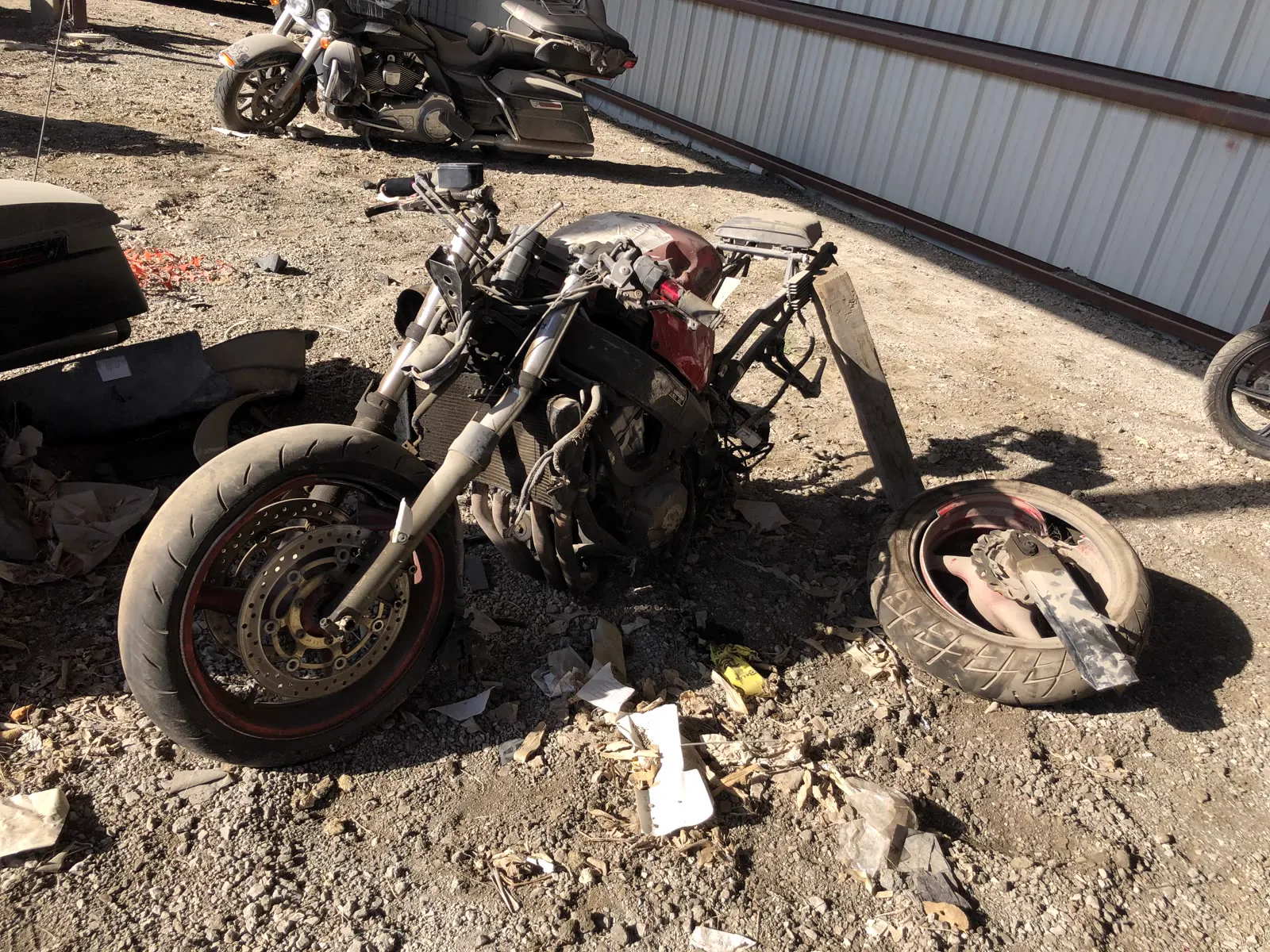
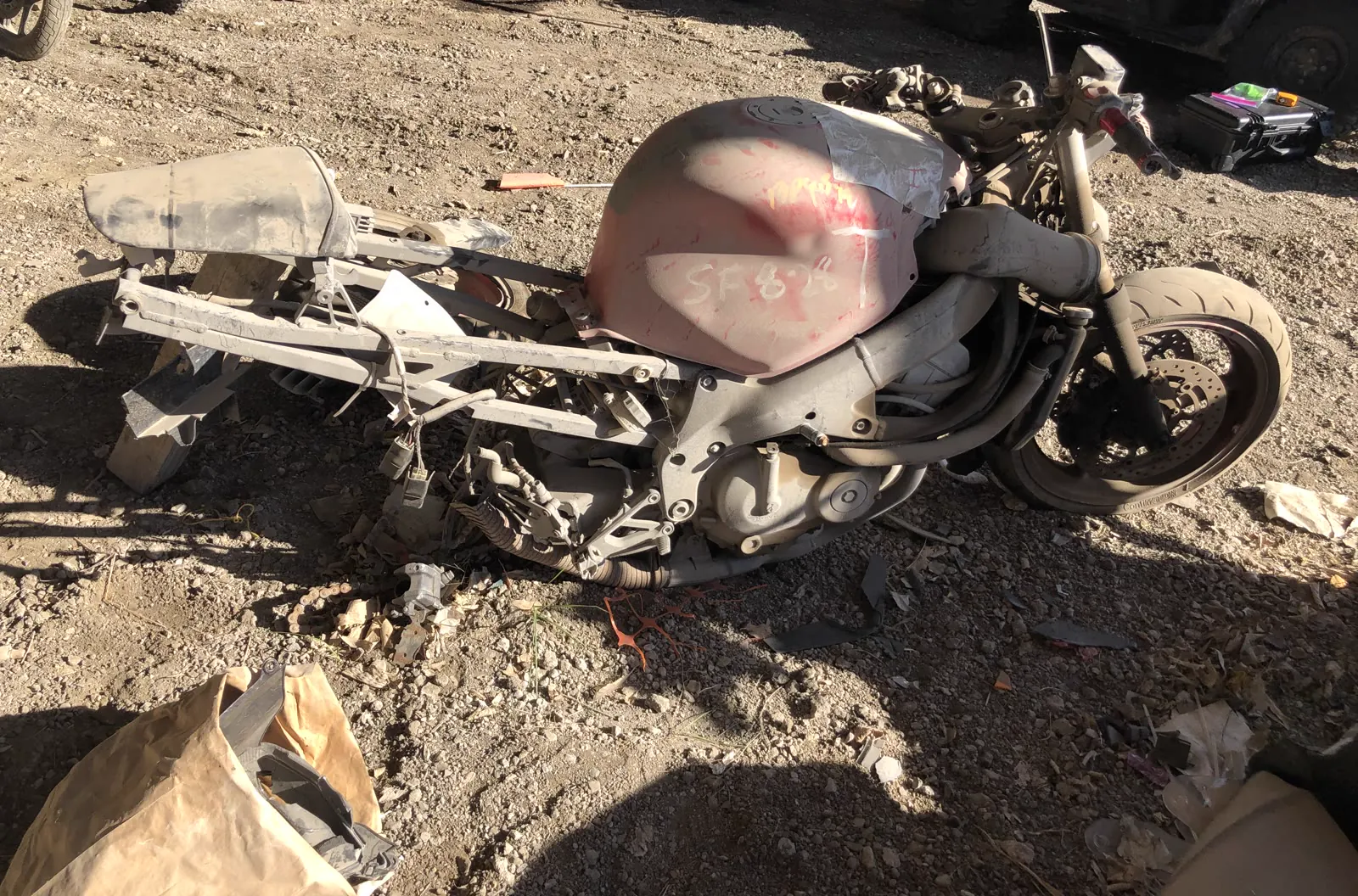
Photos from resolved client matters.
Your Attorney
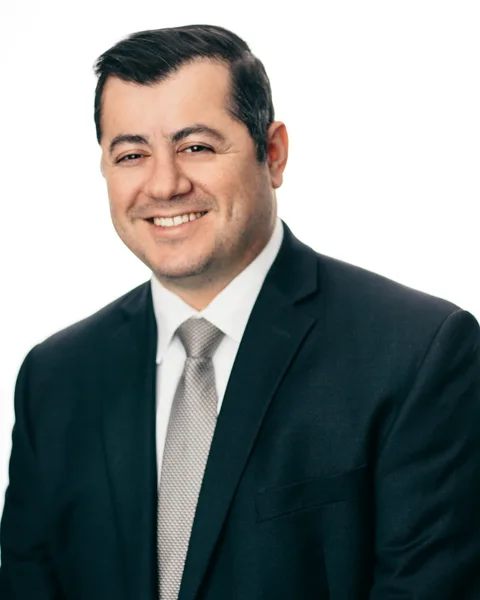
Frank Younes
Every page on this site is written by Frank Younes, a Nebraska trial attorney with a published record of verdicts and settlements, selection to the National Trial Lawyers Top 100, and a practice that covers every county in Nebraska and Iowa. No case is handed to an associate — the lawyer you read here is the lawyer who works your case.
More about Frank → · Free consultation: (402) 378-9208
Frequently Asked Questions
Should I hire a law firm that handles motorcycle accidents?
If you were hurt, yes. Motorcycle cases are different from other crash cases: insurers tend to assume the rider was at fault, the injuries are usually more serious, and the insurance layers matter more. A motorcycle accident attorney who handles these cases knows how to answer that bias with evidence. I represent riders across Nebraska and Iowa, the consultation is free, and there is no fee unless I win.
The driver who hit me was cited. Is my case automatic?
No. A citation is not a civil case — the insurer will still contest injury severity, causation, and value, and will look for ways to shift fault onto the rider. Independent evidence still decides these cases.
What if the insurance company says I was partly at fault?
Nebraska reduces your recovery by your percentage of fault and bars it entirely at 50% (Neb. Rev. Stat. § 25-21,185.09). Contesting inflated fault allocations — often built on anti-rider assumptions — is a core part of maximizing a motorcycle claim.
What does a motorcycle accident lawyer cost?
Nothing up front. I work on contingency — no fee unless I win — and the consultation is free.
Will my gear — or lack of it — affect my claim?
Insurers will try to make it an issue either way. What gear you wore, what your headlight showed, where you were in the lane — these get argued as comparative fault, and the answer is case-specific evidence, not assumptions. Bring me the facts; part of my job is keeping the focus on the driver who caused the crash.
The insurer says I was speeding. How do I fight that?
With reconstruction, not argument. Damage patterns, rest positions, roadway marks, and event data support real speed analysis. "He must have been flying — I never saw him" is a bias statement dressed up as evidence, and it falls apart against measurements.
I was a passenger on the motorcycle. What are my rights?
Passengers injured in motorcycle crashes generally have claims against whichever driver caused the crash — the car's driver, the rider, or both — and comparative fault rarely reaches a passenger. Your claim is independent, and it deserves independent advice.
My family member died in a motorcycle crash. How long do we have?
Nebraska wrongful death actions must generally be filed within two years of the death (Neb. Rev. Stat. § 30-810) — half the ordinary injury deadline. The evidence in a fatal rider case also degrades fastest of all. Please talk to someone promptly — the consultation costs nothing.
Talk to Frank — Free Consultation
A rider's case needs a fighter, not a settler. I've recovered more than $23,000,000 for injured Nebraskans, with 41 verified five-star client reviews and a firm voted Best of Omaha for personal injury law in 2025 and 2026. My job is to take the stress off your shoulders, take up the shield for your family, and fight for every dollar you're owed.
Call (402) 378-9208From the Blog
Recent writing on this area of the law.