Summer is enforcement season in Nebraska. Over the July 4th weekend alone, the Nebraska State Patrol arrested 35 impaired drivers, and troopers have been running special operations around summer events — including a recent effort around the Adams County Fair in Hastings. Expect more of the same through Labor Day.
Two very different groups of people call a law office after a weekend like that: people who were arrested, and people who were hurt by an impaired driver. Both need to understand how this works.
Checkpoints are legal in Nebraska — within limits
Sobriety checkpoints are lawful in Nebraska, but they are not a free-for-all: they must be conducted under neutral, pre-established procedures rather than officers' on-the-spot discretion. Saturation patrols — extra troopers concentrated in an area, stopping drivers for observed violations — are the more common tool, and any stop still requires a lawful basis.
Your rights at a stop, in plain English
- You must provide license, registration, and insurance when asked.
- You have the right to remain silent beyond identifying yourself — you are not required to answer "how much have you had to drink tonight?"
- Field sobriety tests are voluntary in most circumstances; chemical tests after a lawful arrest are a different matter — Nebraska's implied consent law attaches real consequences to refusal, including license revocation.
- Be polite. Nothing said or done at the roadside ever helps more than it hurts.
If you were arrested
The most important things happen early: administrative license deadlines run quickly, and the details of the stop — why you were pulled over, how tests were administered — often decide these cases. Write down everything you remember immediately and talk to a lawyer before making decisions.
If an impaired driver hurt you
The criminal case is the state's; it will not compensate you. A civil injury claim is a separate track with separate deadlines — and as I explained in Wednesday's post about the Omaha motorcycle crash, a conviction doesn't automatically resolve the insurance fight. Preserve the police reports, get treatment, and get advice early.
Whichever side of this you're on, get zealous representation early
The first days decide these cases — the license deadlines if you were arrested, the evidence if you were injured. I've spent fifteen years as a trial-tested advocate for Nebraskans, with a track record my clients describe in their own words in 41 verified five-star reviews, and a firm voted Best of Omaha two years running. When I take your case, I fight it.
Call Me Today at (402) 378-9208
The consultation is free, and there's no fee unless I win your case.
Call (402) 378-9208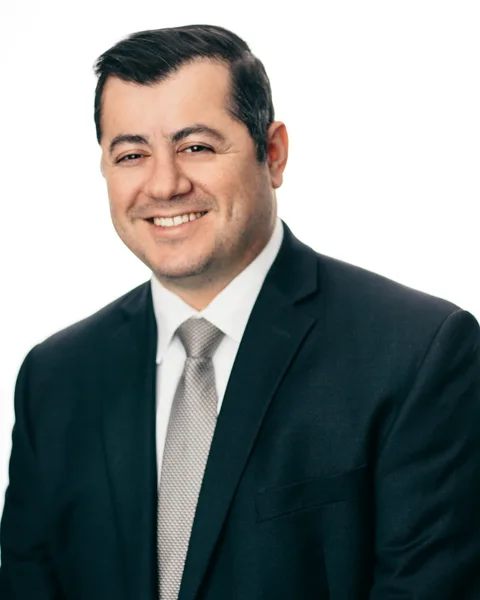
Your Attorney
Frank Younes
Every page on this site is written by Frank Younes, a Nebraska trial attorney with a published record of verdicts and settlements, selection to the National Trial Lawyers Top 100, and a practice that covers every county in Nebraska and Iowa. No case is handed to an associate — the lawyer you read here is the lawyer who works your case.
More about Frank → · Free consultation: (402) 378-9208