One of the most common questions I get after a crash isn't about fault or settlements. It's more immediate than that: the hospital bill just showed up — who's supposed to pay this?
Here's the part that surprises almost everyone: the at-fault driver's insurance company does not pay your medical bills as they come due. Even in a crystal-clear case — you were stopped at a light, they were on their phone — the other driver's insurer typically pays once, at the end, when the claim settles or a judgment is entered. In the meantime, the bills come to you.
That gap between when bills arrive and when a case resolves is where a lot of people get hurt a second time. Understanding how to bridge it matters as much as the case itself. What has to be repaid out of the settlement at the end, and how each of those claims is limited, is covered in medical liens and subrogation.
The sources that typically bridge the gap
- Your own health insurance. Use it. People sometimes hesitate to run crash-related treatment through health insurance because "the other driver should pay." Let it work now; how crash-related payments get sorted out later is a normal part of resolving the claim, and it's something your lawyer manages — not a reason to let bills go to collections.
- Medical payments ("med pay") coverage on your own auto policy. Many Nebraska auto policies include this optional coverage, which can pay medical bills for you and your passengers regardless of who caused the crash. Plenty of people carry it without knowing it — pull out your declarations page and look.
- Provider arrangements. In some cases, medical providers will treat an injured person and agree to be paid out of the eventual recovery. Whether that's available, and whether it's a good idea, depends on your situation — it's something to discuss with a lawyer, not something to sign in a hallway.
Why this matters to the value of your case
The insurance company on the other side knows exactly how this squeeze works. Mounting bills and collection notices create pressure to take the first offer — and first offers are built for people under pressure. I've written before about why insurers lowball even obvious rear-end claims, and unpaid medical bills are one of their best levers. If you are thinking about a lawsuit loan to get through it, read why I advise my clients against pre-settlement funding first.
There's a second reason the bills matter: they're evidence. Your medical treatment — what you needed, what it cost, what's still ahead — is a core part of what your claim is worth. Gaps in treatment because you were afraid of the cost show up later as arguments that you weren't really hurt. Getting the payment question handled early protects both your credit and your case. You can see how medical expenses figure into real results on my Nebraska settlement examples page.
What I do about the bills, starting day one
When I take a case as an Omaha car accident lawyer, the medical-bill problem is part of the job — identifying every coverage that should be paying now, dealing with collectors and lien claims, and making sure the eventual settlement accounts for every dollar of treatment, not just the ones that were convenient to document. That end-to-end approach is part of how I've recovered more than $23 million for injured clients, with five-star reviews from many of them and a firm voted Best of Omaha for personal injury law two years running, 2025 and 2026.
Don't let the bills push you into a cheap settlement. Call me at (402) 378-9208 or reach out here for a free consultation — and there's no fee unless I win your case.
Frequently asked questions
- Who pays medical bills while your crash case is pending?
- One of the most common questions I get after a crash isn't about fault or settlements. It's more immediate than that: the hospital bill just showed up — who's supposed to pay this? Here's the part that surprises almost everyone: the at-fault driver's insurance company does not pay your medical bills as they come due.
- Why do medical bills matter to the value of a crash case?
- The insurance company on the other side knows exactly how this squeeze works. Mounting bills and collection notices create pressure to take the first offer — and first offers are built for people under pressure. I've written before about why insurers lowball even obvious rear-end claims, and unpaid medical bills are one of their best levers.
- What does Frank Younes do about medical bills while a case is pending?
- When I take a case as an Omaha car accident lawyer, the medical-bill problem is part of the job — identifying every coverage that should be paying now, dealing with collectors and lien claims, and making sure the eventual settlement accounts for every dollar of treatment, not just the ones that were convenient to document.
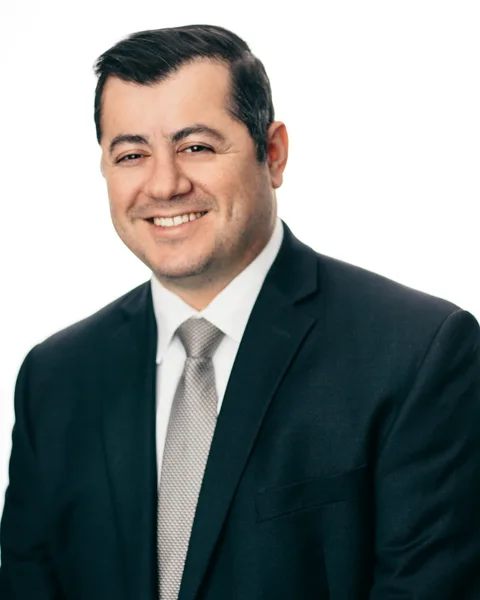
Your Attorney
Frank Younes
Every page on this site is written by Frank Younes, a Nebraska trial attorney with a published record of verdicts and settlements, selection to the National Trial Lawyers Top 100, and a practice that covers every county in Nebraska and Iowa. No case is handed to an associate — the lawyer you read here is the lawyer who works your case.
More about Frank → · Free consultation: (402) 378-9208