A friend lends you her car for the weekend. A brother takes the family pickup to town. A co-worker drives you home in the company van. Then there is a crash, and the first question everyone asks — the owner, the driver, the person hurt in the other car, and every insurance company involved — is whose policy pays? Nebraska has a clear answer built from a statute, a long-standing court doctrine and the language of the policies themselves, and the answer is usually better for injured people than they expect. This page walks through it: what the owner’s policy must cover, what happens when permission is disputed, how owner’s and driver’s coverage stack, when the owner is personally responsible, and what an injured person should do about all of it.
The Rule: Insurance Follows the Car
Nebraska’s financial responsibility law defines what an owner’s auto liability policy must be, and section 60-534 is explicit: the policy must insure “the person named therein and any other person, as insured, using any such motor vehicle or motor vehicles with the express or implied permission of such named insured.” That sentence is the statutory “omnibus clause,” and it means that a permissive driver of your car is an insured under your policy — not a stranger your insurer can disclaim. When a borrowed car causes a crash, the owner’s liability coverage responds to the injured people first, at the limits the owner bought, subject to the state minimums of $25,000 per person and $50,000 per crash for bodily injury and $25,000 for property damage.
The driver’s own policy does not disappear. Most personal auto policies extend the named insured’s liability coverage to a non-owned car the insured is driving with permission, typically as excess coverage that pays after the owner’s policy is exhausted. So a serious injury caused by a borrowed car frequently has two liability policies behind it: the owner’s as primary, the driver’s as excess. Which is primary and which is excess is governed by the policies’ own “other insurance” provisions, and while the owner-primary pattern is nearly universal, I read both policies in every borrowed-car case rather than assuming.
“Express or Implied Permission” — and the Initial Permission Rule
Permission is where insurers look for an exit. Express permission is simple: the owner handed over the keys. Implied permission is inferred from the relationship and the history — the roommate who has driven the car a dozen times without objection, the adult child with a key, the employee who regularly takes the work truck home. Nebraska courts look at what was actually said and done before the crash, and a pattern of tolerated use is permission even when nobody said the word.
The harder fight is over the scope of permission: the owner lent the car to go to the grocery store and the driver went to Lincoln instead, or said “you can drive it” and the driver let a third person drive. Nebraska has long followed the initial permission rule: once the owner initially gives permission to use the car, coverage applies regardless of how the car is used afterward, even if the driver deviated from the purpose or route the owner had in mind. The rule exists because the injured person on the road has no way of knowing what the owner and driver said to each other, and the Legislature’s purpose in requiring the omnibus clause was to protect that person. An insurer arguing that the driver “exceeded the permission” is arguing against a rule the Nebraska Supreme Court settled decades ago.
The limit of the rule is no permission. A car taken without the owner’s knowledge, or by a person the owner had expressly forbidden, may fall outside the owner’s coverage. Those are the cases where the injured person’s own uninsured motorist coverage becomes the claim, which is why the analysis of permission and the analysis of UM coverage happen together.
The Family Purpose Doctrine
Insurance answers who pays; the family purpose doctrine answers who is liable. Nebraska recognized the doctrine in 1920, in a case holding that the owner of an automobile kept for family purposes is liable for injuries caused by the negligent driving of a family member using the car for one of the purposes for which it is kept. The elements the courts apply: the person to be held liable was the head of the household, the vehicle was kept and maintained for the general use of the family, and it was being used for a family purpose with the head of household’s permission at the time of the crash. The doctrine exists as a matter of public policy, to make sure someone financially responsible stands behind the family car.
In practice the doctrine matters most when the driver is a teenager or young adult with no assets and no policy of their own. The parent who owns and insures the car is liable for the child’s negligent driving under the doctrine, and the parent’s policy responds under the omnibus clause; between the two, the injured person is looking at the family’s coverage rather than a nineteen-year-old’s. It also means a parent should carry liability limits sized to the worst driver in the household, not the best.
Negligent Entrustment: When the Owner Is Personally at Fault
Separate from the doctrine, an owner who lends a car to someone they know or should know is unfit to drive it — a driver who has been drinking, whose license is suspended, who is a known reckless driver, or who has a medical condition that makes driving unsafe — can be liable for their own negligence in handing over the keys. Negligent entrustment is a claim against the owner directly, and it opens the owner’s knowledge to discovery: what they knew about the driver, what they had seen, what they had been told. In a catastrophic crash it is frequently the difference between one policy and two, and between a driver’s minimum limits and an owner’s umbrella.
Where Nebraska’s Household-Exclusion Ban Comes In
Borrowed-car crashes often involve family, and for years insurers used household exclusions to avoid paying relatives. Nebraska has prohibited that since 2005: section 60-310 forbids an auto liability policy from excluding, limiting or reducing coverage because the injured claimant is the named insured or a resident of the household, and the Nebraska Supreme Court has held even partial reductions void. So when the borrowed family car injures a family member — a mother riding with her son, a sister hurt when her brother crashed the family SUV — the owner’s policy pays that relative exactly as it would pay a stranger. The passenger claims page covers that situation in full.
When You Are the Borrower Who Was Hurt
If you were driving a borrowed car and someone else caused the crash, your claim is against the at-fault driver’s liability insurer, as always. If that driver was uninsured or underinsured, the order of UM/UIM coverage matters: the coverage on the vehicle you were occupying is primary, and your own household policy may be excess, subject to Nebraska’s anti-stacking rule and the cap at the highest single limit. One exclusion to know: under Nebraska’s UM/UIM statute, a vehicle owned by you or furnished for your regular use is not an “uninsured” or “underinsured” motor vehicle under your own policy, which is aimed at the person who regularly drives an uninsured car they simply never insured. Borrowing a friend’s car for a weekend is not “regular use”; driving your roommate’s car every day for a year may be. The underinsured motorist page explains the offset and the notice procedure that applies before any limits are accepted.
Rental Cars, Employer Vehicles and Rideshares
A rental car is a borrowed car with a contract attached. Coverage may come from the rental company’s minimum coverage, from the renter’s own policy, from a credit card benefit, and from a damage waiver purchased at the counter, in an order that depends on the contract and the policies. An employer’s vehicle driven by an employee in the course of work brings in the employer’s commercial policy and the employer’s vicarious liability for the employee’s driving — and, if the injured person was also working, a workers’ compensation claim alongside the injury claim. Rideshare vehicles are the driver’s own cars operating under the company’s tiered commercial coverage, which I explain in the Uber and Lyft post. The common thread is that the car’s coverage and the driver’s coverage are separate questions, and both have to be answered.
How I Plead These Cases
This is not theory for me. I routinely file lawsuits in Nebraska motor vehicle cases where the driver was not the owner, and the complaint is built on the four theories above, pleaded separately because each reaches a different defendant and a different policy: negligence against the driver; vicarious liability against the owner or employer responsible for the driver — the family purpose doctrine where the head of a household kept the car for family use, respondeat superior where an employee was driving for work; negligent entrustment against an owner who put an unfit driver behind the wheel; and the permissive-driver rule under the omnibus statute, which is pleaded to bind the owner’s insurer to coverage for the driver from the outset rather than letting it be litigated as a coverage dispute after judgment. Naming every liable party and every responsive policy in the first pleading is what keeps a serious-injury case from being valued at one driver’s minimum limits, and it is why borrowed-car cases are handled by the lawyer who tries them, not the adjuster who wants them closed.
Two Policies, Two Adjusters: How I Sequence the Claims
A borrowed-car case is worked in a specific order, because each step depends on the last. First, the owner’s liability carrier is put on notice and asked to confirm coverage and limits in writing; permission is documented from the owner and driver before either gives a recorded statement that an adjuster can turn into a coverage dispute. Second, the driver’s own carrier is put on notice as excess, so it cannot later claim late notice. Third, where the injuries may exceed both, the injured person’s UM/UIM carriers are identified and notified, and the certified-mail procedure is followed before any liability limits are accepted. Only then is the claim valued and presented, to every carrier at once, so that no insurer can settle cheaply on the theory that some other policy will pick up the rest. Done out of order, a borrowed-car case can leave the largest policy untouched or, worse, forfeit UIM coverage by accepting the owner’s limits too early.
Farm Trucks, Neighbors and Handshake Loans
In rural Nebraska, vehicles move between neighbors and relatives on a handshake — the grain truck borrowed at harvest, the pickup lent to a hired hand, the cousin’s car driven to town. Those loans are permission in the fullest sense, and the omnibus clause covers them the same as a formal arrangement in the city. The complication is usually the vehicle itself: farm trucks may carry commercial or farm-rated policies with different limits and different named drivers, and a vehicle registered to a farm entity rather than a person raises the question of who the “named insured” is and who could give permission. None of that defeats coverage; it changes which policy is primary and who the adjuster is, and it is exactly the kind of detail that gets sorted out by reading the declarations pages rather than by assumption.
What the Owner Should Expect
Owners often panic when a borrowed car is in a crash, and the two fears are the same ones passengers have: that they will be personally sued, and that their friend will be. In an ordinary case, neither happens in the way they imagine. The claim is presented to the owner’s insurer, which defends and pays within the limits. The owner is contacted by their own company for a statement and should give one truthfully. Where the owner did nothing but lend a car to a licensed, sober friend, negligent entrustment is not in play and the owner’s exposure is the policy they already bought. Where limits are inadequate for the injuries, the excess coverage on the driver’s policy is the next layer, and after that the analysis turns to UM/UIM on the injured person’s side.
What to Do After a Borrowed-Car Crash
Identify everyone: the driver, the registered owner, and the owner’s insurer — the insurance card in the glove box is the owner’s, and it is the primary policy. Get the officer’s report; it will record the owner and the driver separately. Do not let the owner’s insurer decide the permission question in a recorded statement taken from a rattled driver the day after the crash; the initial permission rule and the history of use are legal questions, and the answer has consequences for everyone. Then call me. Borrowed-car cases are, above all, coverage cases, and finding every policy that responds is what determines whether a serious injury is compensated at $25,000 or at its real value.
If you were hurt in a crash involving a borrowed, loaned, rented or family car anywhere in Nebraska or western Iowa, call (402) 378-9208 or send a message. The consultation is free and there is no fee unless I recover for you. The Omaha car accident lawyer page explains how I handle the case from there, and the guest statute page answers the question family passengers ask most.
Your Attorney
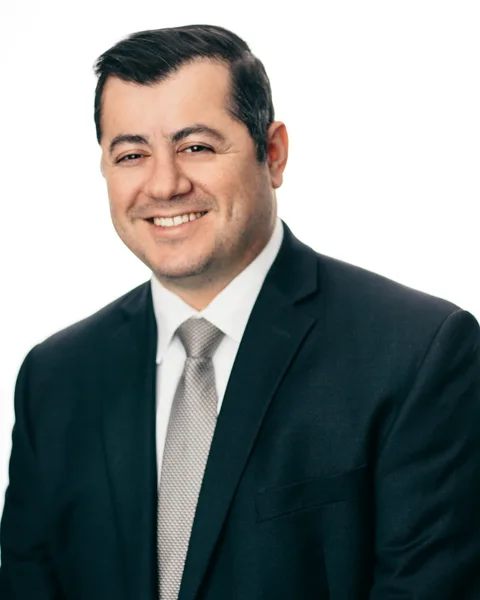
Frank Younes
Every page on this site is written by Frank Younes, a Nebraska trial attorney with a published record of verdicts and settlements, selection to the National Trial Lawyers Top 100, and a practice that covers every county in Nebraska and Iowa. No case is handed to an associate — the lawyer you read here is the lawyer who works your case.
More about Frank → · Free consultation: (402) 378-9208
Frequently Asked Questions
Whose insurance pays when a borrowed car causes a crash in Nebraska?
The car owner’s liability policy pays first: Nebraska law requires it to cover anyone using the car with the owner’s express or implied permission. The driver’s own policy typically applies as excess after the owner’s limits are exhausted.
The owner says the driver went somewhere he wasn’t supposed to. Does that void coverage?
Generally no. Nebraska follows the initial permission rule: once permission to use the car was given, coverage applies regardless of how the car was used afterward. Coverage is lost only where there was no permission at all.
Can the owner be personally liable?
Yes, in two situations: under the family purpose doctrine when a family member was driving a car kept for family use, and under negligent entrustment when the owner lent the car to someone they knew or should have known was unfit to drive.
I was driving a friend’s car and an uninsured driver hit me. Whose UM coverage applies?
The uninsured motorist coverage on the car you were driving is primary; your own household policy may be excess. Nebraska does not allow stacking, and a car furnished for your regular use is not an uninsured vehicle under your own policy.
Does the owner’s policy cover a family member hurt in the borrowed car?
Yes. Nebraska prohibits auto policies from excluding or reducing coverage because the injured person is the named insured or a household member.
What if the car was taken without permission?
The owner’s liability coverage may not apply, and the injured person’s own uninsured motorist coverage becomes the claim. The permission question and the UM analysis are handled together.
More on Car Accident Claims
The rest of the series, and the main crash practice page behind it.
Crash in a Car That Wasn’t the Driver’s? Finding Every Policy Is the Case.
Free, confidential consultation — in English or Spanish. No fee unless I win.
Call (402) 378-9208