Here's a conversation I've had more times than I can count. A client comes in months into a case, upset, holding a printout the defense sent over. It's a photo of her at her nephew's wedding, on her feet, smiling, holding a drink. The caption underneath, written by somebody who has never met her, says something like: claimant appears fully recovered and ambulatory without difficulty.
What the photo doesn't show is that she took a pain pill in the parking lot, sat down forty seconds after it was taken, left before dinner, and spent the next two days in bed.
That's the whole problem with a photograph. It's true and it's incomplete at the same time — and the incomplete part is the part the other side gets to use.
What actually happens after you file a claim
None of this is a conspiracy theory, and none of it is unusual. Once there's a real claim on the table, the other side starts building a file on you. In practice that means:
- Your public social media. Facebook, Instagram, TikTok, a strong finish in a 5K posted by the race timing company, a tagged photo somebody else put up at a tailgate. Anything public is fair game, and "friends of friends" is closer to public than most people think.
- Your check-ins and your hobbies. Gyms, races, boat ramps, hunting seasons, a GoFundMe, a marketplace listing for the dirt bike you're selling.
- Surveillance, on larger cases. Investigators sitting on a street, following someone to a doctor's appointment or a Menards run, filming from a public place. It's more common than people expect once the numbers get big.
Nobody films the eleven bad days. They film the twenty good minutes.
The rule I give every client
Don't post about the crash, your injuries, your treatment, your case, or your lawyer. And don't delete anything.
That second half surprises people, so let me be clear about it: once you have a claim, going through your accounts and scrubbing old posts is a genuinely bad idea. It can look like you destroyed evidence, and a fight about deleted posts is worse than the posts. The right move is to stop adding, not to erase.
Beyond that, four practical things:
- Lock your privacy settings down and stop accepting friend requests from people you don't actually know.
- Ask your family to stop tagging you. Most of the damaging photos in my cases were posted by somebody else.
- Assume you're being watched in public. Not to make you paranoid — just don't do the thing you told your doctor you can't do because you're embarrassed to ask for help carrying it.
- Be exactly as honest with your doctor as you are with yourself. The single best defense against a bad-looking photo is a medical record that already says "good days and bad days, can manage short outings with pain afterward." When the record matches real life, a wedding photo proves nothing.
Living your life is not fraud
I want to say this plainly, because clients tie themselves in knots over it. You are allowed to attend your kid's game. You are allowed to smile in a picture. Recovery from a serious injury is not a straight line, and a case is not a vow to stay in a dark room. What gets people in trouble isn't living — it's a gap between what the file says and what the video shows.
If you're wondering how these cases get valued in the first place, I keep a page of Nebraska personal injury settlement examples, and I've written about who pays your medical bills while the case is still pending. Before your first meeting with any lawyer, my page on preparing for a personal injury consultation will save you time.
Get ahead of it instead of explaining it later
The right time to handle this is at the beginning, not the week before a deposition. As an Omaha car accident lawyer, part of my job is making sure the record of your injury is complete, consistent, and honest — so that when the other side shows up with a photo, it lands as nothing. I've recovered more than $23 million for my clients, with a $5.4 million top result, and my firm was voted Best of Omaha for personal injury law in 2025 and 2026. My clients say the rest in their five-star reviews.
If you were hurt in a crash in Nebraska or Iowa, call me at (402) 378-9208 or reach out here for a free consultation. No fee unless I win your case.
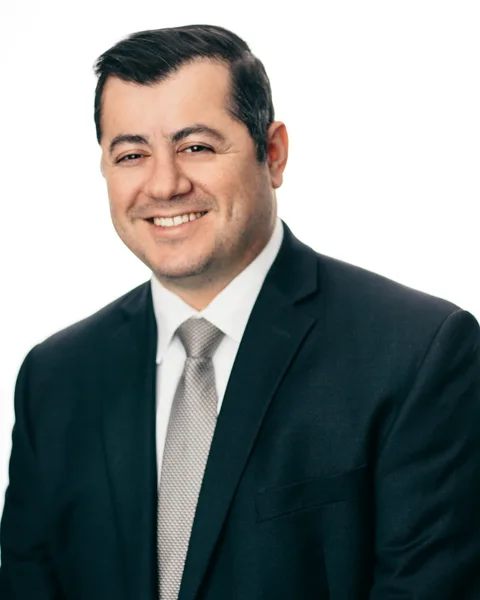
Your Attorney
Frank Younes
Every page on this site is written by Frank Younes, a Nebraska trial attorney with a published record of verdicts and settlements, selection to the National Trial Lawyers Top 100, and a practice that covers every county in Nebraska and Iowa. No case is handed to an associate — the lawyer you read here is the lawyer who works your case.
More about Frank → · Free consultation: (402) 378-9208