The initial consultation is free at nearly every personal injury firm — including mine. What most people don't realize is that it's also an interview, and you're the one doing the hiring. Thirty focused minutes with the right questions will tell you more about a lawyer than any billboard ever will, and it will tell the lawyer what they need to give you an honest read on your case.
After fifteen years of these meetings, here are the twelve questions I believe every injured Nebraskan should ask — including the ones some lawyers hope you won't — and exactly what to bring so the answers you get are accurate.
1. Case Strategy & Evaluation
These questions reveal how the lawyer actually sees your claim — not the sales pitch, but the strategy:
Listen for honesty. A lawyer who names your case's weaknesses in the first meeting is a lawyer who has already thought about how the defense will attack it. A lawyer who promises you a number on day one is guessing — and be wary of anyone who guarantees an outcome.
2. Fees & Financial Expenses
Most injury lawyers work on a contingency fee — you pay nothing unless they win. But "no fee unless we win" agreements are not all the same, and the fine print is where they differ:
On that last one: you want a firm that advances case expenses and absorbs them if the case is unsuccessful. Ask for every answer in writing before you sign. A reputable lawyer will walk you through the agreement line by line without being asked.
3. Experience & Who Actually Handles Your Case
At high-volume firms, the seasoned attorney you meet at the consultation may never touch your file again. Make sure the person you're hiring is the person who shows up:
On the "similar case" question, don't accept vague reassurance — ask for real outcomes. (Some of mine are published — see real case results — alongside 41 verified five-star client reviews.)
4. Maximizing the Value of Your Damages
This is where cases are won or lost — and where my background matters. Before law school I earned a business degree, and I've spent my career computing and explaining damages to judges, juries, and insurance carriers: not just today's medical bills, but everything your injury will cost you over a lifetime.
The second question matters immediately: gaps in medical treatment are the single most common tool insurers use to devalue claims. A good lawyer will give you a concrete answer before you ever sign anything.
What to Bring to Your Consultation
The more of these you bring, the more precise the advice you'll get that day:
- The official police report (or incident/accident report)
- Medical records and any discharge paperwork from the ER or urgent care
- Photos and videos of the accident scene, property damage, and your injuries
- Insurance communications — any letters or emails from either insurance company
- Proof of economic loss — recent paystubs or a note from your employer showing missed work
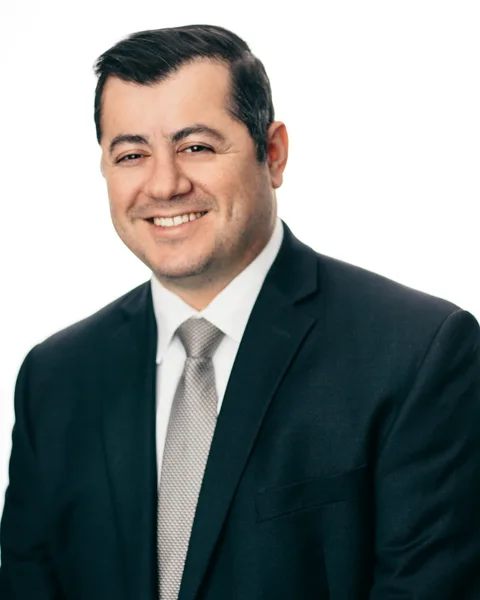
Your Attorney
Frank Younes
Every page on this site is written by Frank Younes, a Nebraska trial attorney with a published record of verdicts and settlements, selection to the National Trial Lawyers Top 100, and a practice that covers every county in Nebraska and Iowa. No case is handed to an associate — the lawyer you read here is the lawyer who works your case.
More about Frank → · Free consultation: (402) 378-9208
Frequently Asked Questions
Does the consultation cost anything?
No. It's free, confidential, and creates no obligation to hire me — even if we talk for an hour and you take my advice elsewhere.
Will I be pressured to sign?
Not in my office. A lawyer who pressures you to sign on the spot is telling you how they'll treat you for the rest of the case. Take the agreement home and read it.
How soon after my injury should I schedule it?
As early as you can — ideally before giving any recorded statement to an insurance company. Nebraska's deadlines (generally four years for injury claims, but as short as two for some) run from the date of injury, and the most valuable evidence disappears in the first weeks.
Bring These Questions to Me
I built this checklist, and I'll happily answer every question on it — including the uncomfortable ones about fees and who does the work. I've recovered more than $23,000,000 for injured Nebraskans, my firm was voted Best of Omaha for personal injury law in 2025 and 2026, and my job is to take the stress off your shoulders and carry the fight for you.
Book Your Free Consultation — (402) 378-9208