It happens in less than a second. You're riding along a row of parked cars on a city street, the lane is busy, and a driver who just parallel parked flings his door open without looking. Either you hit the door, or you jerk left to miss it and end up in the path of the car coming up behind you.
Cyclists call it getting "doored," and it is especially frustrating because the person who caused it was standing still. Here is what Nebraska law says, who pays, and how these claims are won or lost.
Nebraska has a statute written for this exact crash
Many states have a rule about opening car doors into traffic, and Nebraska is one of them. It's Neb. Rev. Stat. § 60-6,180, and it's worth reading in full:
"No person shall open the door of a motor vehicle on the side available to moving traffic unless and until it is reasonably safe to do so and it can be done without interfering with the movement of other traffic, nor shall any person leave a door open on the side of a vehicle available to moving traffic for a period of time longer than necessary to load or unload property or passengers."
Three things in that sentence matter in a dooring case.
"No person." The duty isn't limited to drivers. A passenger in the back seat who pops the door open is under the same rule.
"Unless and until it is reasonably safe." The person inside the car has to check the mirror, look, and wait.
Two separate violations. Opening the door unsafely is one. Leaving it hanging into the lane longer than needed to load or unload is another.
What a broken traffic rule means in a lawsuit
A ticket isn't the lawsuit. The Legislature's page for § 60-6,180 lists no court decisions applying it. But Nebraska courts treat rules-of-the-road violations as evidence a jury can weigh; the notes to a neighboring parking statute, § 60-6,164, cite Horst v. Johnson (1991) for the point that a violation "is evidence of negligence or contributory negligence." The door statute tells a jury what a careful person in a parked car should do; the case asks whether they did it.
Doored versus "door-zone swerves"
Not every dooring case involves a rider hitting metal. I see two patterns:
- The direct hit. The rider strikes the door edge, often with a hand, shoulder or face, and goes down.
- The swerve. The rider dodges left into the travel lane and is hit by a passing vehicle, or brakes hard and falls without touching anything.
The swerve is harder to prove, because the door may never show a mark. But the question is whether opening the door caused the crash, not whether anything touched. And a swerve case can have two people at fault: the door-opener, and a driver behind who was following too close or passing without enough room. That second driver's duties are covered in my post on Nebraska's three-foot passing rule.
You don't have to ride in the door zone
The defense in nearly every dooring case is "the cyclist was riding too close to the parked cars." Yet the same insurers complain when riders move farther out into traffic. Here's what the law says.
Under § 60-6,314, a cyclist on the road has "all of the rights" and "all of the duties" of the driver of a vehicle. Under § 60-6,317(1)(a), a slower cyclist rides "as near to the right-hand curb or right-hand edge of the roadway as practicable," but the statute lists exceptions, and one of them reads almost as if it were written for parked cars: when "reasonably necessary to avoid conditions that make it unsafe to continue along the right-hand curb or right-hand edge of the roadway, including fixed or moving objects, stopped or moving vehicles."
So a rider who stays a door's width away from parked cars is following the statute. A rider who stays closer, because traffic is heavy, still hasn't given anyone permission to open a door into them. (Section 60-6,317(2) does bar a rider from suddenly leaving "a curb or other place of safety" into a vehicle's path, but that targets darting out, not holding a steady line.)
Motorcycles, e-bikes and scooters
Motorcyclists get doored too. Under § 60-6,308(1), a motorcycle "shall be entitled to full use of a traffic lane." Expect the insurer to check whether the rider was squeezing through: § 60-6,308(3) bars riding "between lanes of traffic or between adjacent lines or rows of vehicles." A rider in their own lane beside parked cars is in a different spot than one splitting stopped traffic, and the evidence has to show which. My Omaha motorcycle accident lawyer page covers the rest of a rider's claim.
E-bike and e-scooter riders often move faster than pedal cyclists, so expect speed to be argued. A door opened into the lane is still a door opened into the lane. For child riders or rental scooters, see my post on e-bike and scooter liability for kids.
People on foot appear in these cases too: the person who opened the door steps out and is struck, or a knocked-down rider is hit while getting up. Then it becomes a pedestrian accident claim, with its own fault arguments.
Who pays when someone doors you
When the driver opened the door. The first place I look is the auto liability policy on that vehicle. Nebraska's minimum, under § 60-310, is $25,000 for injury to one person and $50,000 per accident. A broken collarbone with surgery can approach that quickly, and a head injury can pass it.
When a passenger opened the door. The passenger broke the rule but usually isn't the named insured. Depending on how the policy defines an "insured" and "use" of the vehicle, the owner's policy may cover the passenger, and the passenger's own auto policy may come into play. I get the actual policies and read the definitions. The driver isn't automatically off the hook either: one who stops in the travel lane to let someone out may have broken § 60-6,166(1)(a)(i), which bars stopping "on the roadway side of any vehicle stopped or parked at the edge or curb of a street," with limited exceptions.
Rideshare drop-offs. Uber and Lyft passengers get out on busy streets every night, often from a car double-parked in the lane. Nebraska's rideshare law defines the "engaged stage" of a trip to run until the driver ends the trip "or until the passenger exits the vehicle, whichever is later" (§ 75-323). A door opened as the rider gets out happens while the passenger is still in the car, which puts it inside the stages where § 75-333 requires "at least one million dollars" in primary liability coverage. Whether that coverage answers for the passenger's door, the driver's choice of where to stop, or both, depends on the policy wording, but it's the reason to find out quickly whether a rideshare was involved. My rideshare accidents page explains the stages and the app records that prove them.
Your own policy. If the at-fault coverage is too small, your own auto policy's underinsured motorist coverage may apply even though you were on a bike, depending on how it defines an insured. My guide to underinsured motorist coverage explains the steps, including the notice you must give before settling with the at-fault insurer.
The injuries dooring tends to cause
A door is a steel edge at handlebar and chest height, and it stops a rider dead. I see broken wrists and hands, collarbone and shoulder fractures, facial fractures and broken teeth, and head injuries even with a helmet. Concussion symptoms can surface days later; read my post on delayed concussion symptoms before telling anyone you're fine.
Proving the door was open
Once the door closes and the car drives off, nothing on the street shows what happened. This is what I want preserved:
- The door. Photos of the edge, hinge and window, and any dent, scuff or paint transfer. A sprung hinge is powerful evidence.
- Where the car was parked. Distance from the curb, whether the space was legal, any bike lane or lane line alongside, photographed from the rider's line of travel.
- Who was where. The plate, and who sat on which side and opened the door.
- Witnesses. Names and numbers of people on the sidewalk and drivers behind you.
- Cameras. Storefront, doorbell and bus cameras, plus your own helmet or handlebar camera, much of it overwritten within days. See dashcam, phone records and vehicle data.
- The police report. It should say which door, who opened it, and that it faced traffic.
Three worked examples
These are hypotheticals, not real cases.
The rideshare drop-off. An e-bike commuter rides home downtown at dusk. A rideshare car stops in the travel lane beside parked cars, and the back-seat passenger opens the left rear door. The rider hits it and fractures a wrist. The driver stopped where § 60-6,166 says not to, the passenger didn't look, and the trip was still running. That points to the rideshare coverage, not just a personal policy.
The motorcyclist and the van. A motorcyclist rolls slowly down a commercial street in his own lane. A parked delivery van's driver swings his door wide and leaves it there while grabbing a scanner. The rider clips it. The "longer than necessary" half of § 60-6,180 does the work here, and the van's commercial policy is the target.
The swerve. A cyclist sees a door start to open and swerves left, and a pickup passing too close clips her rear wheel. The door never touched her. A sidewalk witness and a doorbell camera carry the case against both the door-opener and the pickup driver.
How fault gets divided
Insurers rarely deny the door opened; they argue percentages. Under § 25-21,185.09, the rider's own negligence "shall diminish proportionately" the recovery, but the rider is barred only if their negligence "is equal to or greater than the total negligence of all persons against whom recovery is sought."
Using that rule in a hypothetical: a rider's damages are $120,000, and a jury finds the passenger who opened the door 70 percent at fault, the driver who double-parked 15 percent, and the rider 15 percent for riding without a front light at dusk. The rider's 15 percent is measured against the combined 85 percent, so the rider recovers $102,000. Identifying everyone who contributed matters.
Mistakes I see after dooring crashes
- Letting the driver leave without a report. "I'll pay for your bike" often turns into an unanswered phone.
- Not noting who opened the door. Driver or passenger changes which policy pays.
- Fixing the bike before the frame, helmet and clothes are photographed.
- Waiting too long. Video gets erased, and filing deadlines are real; see the Nebraska statute of limitations.
For a rider's broader rights and the other ways cyclists get hit, my Omaha bicycle accident lawyer page is the place to start.
Why riders bring their dooring cases to me
The person who opened that door will say they "just didn't see you." I build these cases so that excuse doesn't hold up: the door, the parking spot, the cameras, and every insurance policy that might pay. I'm a trial lawyer who pushes hard for the people I represent, and my clients have recovered more than $23 million, including a $5.4 million result. You can read many five-star reviews from them, and my firm was voted Best of Omaha for personal injury law in 2025 and 2026.
If a car door put you on the pavement in Omaha or anywhere in Nebraska, don't let the insurer decide the story first. Call (402) 378-9208 or reach me here for a free consultation. If I don't win your case, you don't pay a fee.
Frequently asked questions
- Is dooring illegal in Nebraska?
- Yes. Section 60-6,180 says no person may open a car door on the side available to moving traffic until it's reasonably safe and won't interfere with other traffic.
- What if a passenger opened the door, not the driver?
- The statute says "no person," so it covers passengers. Which insurance pays depends on the policies involved, and the driver may share fault depending on where they stopped.
- Can I bring a claim if the door never touched me?
- Possibly. If you were forced to swerve or brake and crashed because a door opened into your path, the question is causation, not contact. Witnesses and video carry these cases.
Call Me Today at (402) 378-9208
The consultation is free, and there's no fee unless I win your case.
Call (402) 378-9208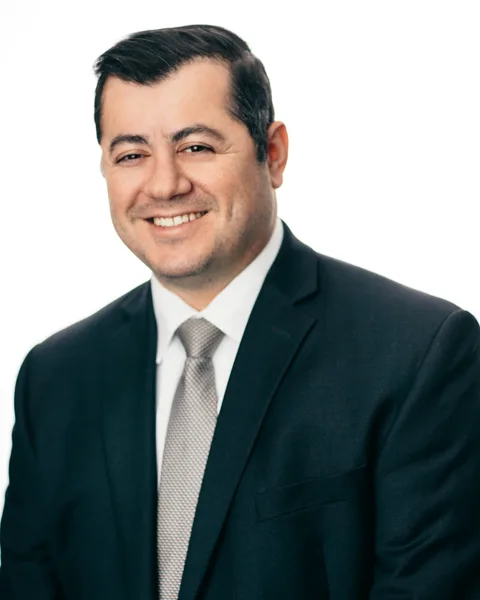
Your Attorney
Frank Younes
Every page on this site is written by Frank Younes, a Nebraska trial attorney with a published record of verdicts and settlements, selection to the National Trial Lawyers Top 100, and a practice that covers every county in Nebraska and Iowa. No case is handed to an associate — the lawyer you read here is the lawyer who works your case.
More about Frank → · Free consultation: (402) 378-9208