A man sits across from me with a folder. Inside it is a diagnosis he got three weeks ago, at seventy-one, for a disease he'd never heard of before that appointment.
I ask him where he worked. A couple of years at a power plant, then a boiler shop, then twenty-six years at a place on the north end of town that made — he pauses — "I don't even know what we made, honestly. Parts." He remembers the dust. He remembers cutting board and mixing something in a barrel with a stick. He does not remember the brand name of anything, because nobody memorizes a brand name at twenty-three.
Then he says what almost everybody says: "There's no way to prove any of that now."
That's usually wrong, for reasons that aren't obvious.
Why the "I can't prove it" instinct is so strong
Occupational illnesses like asbestos-related disease surface decades after the exposure that caused them. By the time a person gets sick, the arithmetic looks hopeless:
- The plant is closed, torn down, or now makes something else entirely.
- The company was bought, merged, renamed, or dissolved.
- The foreman died. Half the crew died.
- Nobody kept a purchase order from 1978.
- The person himself can't name a single product.
Any one of those feels fatal. Together they feel absurd. So people don't call anybody, and a family that had a claim ends up with nothing.
What actually gets used instead
The reconstruction doesn't start with your memory of a brand. It starts with the job.
Your employment record. Social Security earnings records, union records, pension and benefit files, W-2s in a shoebox, an old badge, a retiree newsletter. These establish where you were and when, which is the spine of everything else.
Coworkers. This is the piece people underestimate the most. The man who can't name a product almost always remembers three names. Those three men remember the product, because somebody in every crew was the one who read the label. Testimony from people who worked the same building in the same years does real work.
Industry and site records. Plant specifications, contractor and supplier records, safety files, old inspection paperwork, litigation records from other cases involving the same facility or the same product. A lot of this exists where an individual would never think to look, and doesn't require the original employer to still be in business.
The medical file. A treating physician's opinion, and a properly taken exposure history that asks the right questions. Most doctors ask "did you smoke?" Far fewer ask "did you ever cut or handle insulation, gaskets, brake linings, or board?"
Household exposure. If the sick person never worked in the plant at all, the exposure may have come home on someone else's clothes — I wrote about that in take-home asbestos exposure.
What to do in the first two weeks
If you or a parent just got a diagnosis like this:
- Write down the work history now, while the person can tell it — every employer, every rough date, every building, every job title, and every trade they worked alongside.
- Collect names. Coworkers, supervisors, union locals. Nothing matters more.
- Gather the paper you have — service records, pay stubs, union cards, retirement paperwork.
- Tell the treating doctor the whole occupational history, not the short version.
- Ask about deadlines early. These claims have time limits, and they can be shorter than people assume. That question is worth asking in week one, not month six.
My checklist for a new cancer diagnosis walks through this in more detail, and my page on mesothelioma claims in Nebraska covers what these cases involve.
This is the work, and I do it
Nobody solves this in an afternoon. Building a forty-year exposure history takes records, phone calls, and a willingness to keep pulling threads after the obvious ones run out. As a Nebraska toxic exposure lawyer, that's exactly what I'm for — my clients don't have to prove anything to me before I start looking.
I've recovered more than $23 million for my clients, with a top result of $5.4 million, and my firm was voted Best of Omaha for personal injury law in 2025 and 2026. What I'd rather you read is what my clients say in their five-star reviews about how they were treated while it was happening.
If you or someone in your family was diagnosed with an illness you think came from a job — even a job that ended thirty years ago — call me at (402) 378-9208 or reach out here. The consultation is free, and there is no fee unless I win your case. Call sooner rather than later; the deadlines are real.
Frequently asked questions
- Why does proving a decades-old workplace exposure feel impossible?
- Occupational illnesses like asbestos-related disease surface decades after the exposure that caused them. By the time a person gets sick, the plant is closed or torn down, the company was bought or dissolved, the foreman and half the crew have died, and nobody kept a purchase order from 1978.
- What evidence is used to prove a decades-old toxic exposure?
- The reconstruction doesn't start with your memory of a brand. It starts with the job. Social Security earnings records, union records, pension and benefit files, W-2s, an old badge, or a retiree newsletter establish where you were and when, which is the spine of everything else.
- What should I do in the first two weeks after an occupational illness diagnosis?
- Write down the work history now, while the person can tell it — every employer, every rough date, every building, every job title. Collect the names of coworkers, supervisors, and union locals. Gather the paper you have, tell the treating doctor the whole occupational history, and ask about deadlines early.
Call Me Today at (402) 378-9208
The consultation is free, and there's no fee unless I win your case.
Call (402) 378-9208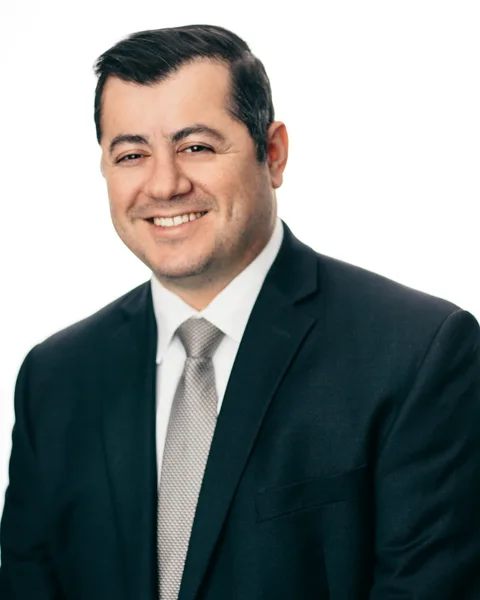
Your Attorney
Frank Younes
Every page on this site is written by Frank Younes, a Nebraska trial attorney with a published record of verdicts and settlements, selection to the National Trial Lawyers Top 100, and a practice that covers every county in Nebraska and Iowa. No case is handed to an associate — the lawyer you read here is the lawyer who works your case.
More about Frank → · Free consultation: (402) 378-9208