I get some version of this question constantly: if I just refuse the breath test, don't they have nothing on me? It's an understandable instinct, but it misunderstands how Nebraska's DUI laws are actually built. Nebraska, like every state, operates under an "implied consent" law — by driving on Nebraska roads, you've already agreed, as a condition of holding a license, to submit to chemical testing if an officer has reasonable grounds to believe you're impaired. Refusing doesn't opt you out of the system. It moves you into a different part of it.
Refusal has its own, separate consequences
A breath test refusal in Nebraska is generally treated as its own violation, independent from the underlying DUI stop — meaning you can face consequences for refusing even in situations where a DUI charge might otherwise be harder to prove. Those consequences typically run alongside, not instead of, whatever happens with the DUI case itself. I'm intentionally not listing specific penalty lengths or timelines here, because they depend on your record and the specifics of the stop — this is exactly the kind of detail worth getting from a lawyer who's looked at your actual situation, not a blog post.
Why officers ask the way they do
Officers are trained on implied consent, and part of that training is explaining the consequences of refusal before you decide. That conversation happens fast, often while you're nervous, sometimes after you've already answered questions you didn't have to answer. None of that is illegal on the officer's part — it's simply not designed to work in your favor.
What actually matters after a stop like this
- What you say and do at the stop matters, whether or not you're tested. Field sobriety exercises, roadside statements, and behavior on video all become part of the case regardless of a refusal.
- A refusal is not an automatic loss, and a passed or failed test is not an automatic result either. Both sides of a DUI case — the stop itself and the testing — can be challenged on their own facts.
- The clock starts immediately. Nebraska's process after a DUI stop involves separate administrative and criminal tracks, and deadlines in each can move fast. Waiting to talk to a lawyer costs you real options.
- Don't try to talk your way out of it after the fact. What's said to police, to bail bondsmen, or even to friends can resurface later in the case.
This isn't about guilt or innocence — it's about knowing the rules of a system built to catch you off guard
Whether you refused, blew under the limit, or blew over it, the legal process that follows has its own procedures, and those procedures aren't explained to you in a way designed for your benefit. That's true whether this is your first stop or you've been through it before.
If You're Facing This Right Now
I handle DUI matters with the same preparation I bring to every case — reading the stop, the testing, and the procedure closely for what can be challenged. A firm voted Best of Omaha for personal injury law in 2025 and 2026, backed by countless five-star client reviews and peer endorsements, doesn't happen by treating any case as routine.
Call me at (402) 378-9208 or reach out here as soon as possible after a stop or arrest — the early decisions in a DUI case matter more than most people realize.
Call (402) 378-9208Frequently asked questions
- What are the consequences of refusing a breathalyzer in Nebraska?
- A breath test refusal in Nebraska is generally treated as its own violation, independent from the underlying DUI stop — meaning you can face consequences for refusing even in situations where a DUI charge might otherwise be harder to prove.
- Why do officers ask for a breath test the way they do?
- Officers are trained on implied consent, and part of that training is explaining the consequences of refusal before you decide. That conversation happens fast, often while you're nervous, sometimes after you've already answered questions you didn't have to answer.
- What actually matters after a refusal stop?
- What you say and do at the stop matters, whether or not you're tested. Field sobriety exercises, roadside statements, and behavior on video all become part of the case regardless of a refusal. A refusal is not an automatic loss, and a passed or failed test is not an automatic result either.
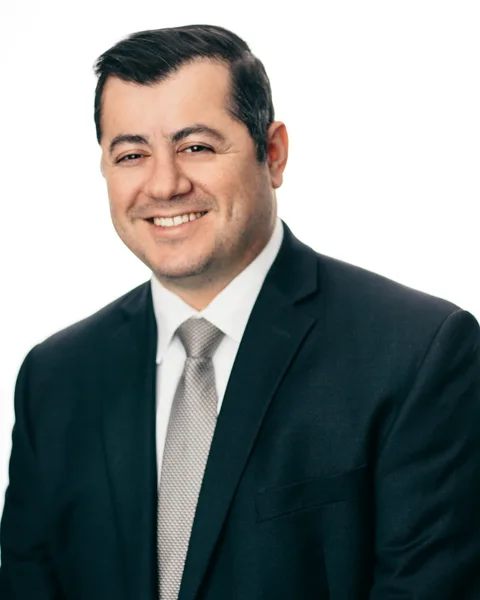
Your Attorney
Frank Younes
Every page on this site is written by Frank Younes, a Nebraska trial attorney with a published record of verdicts and settlements, selection to the National Trial Lawyers Top 100, and a practice that covers every county in Nebraska and Iowa. No case is handed to an associate — the lawyer you read here is the lawyer who works your case.
More about Frank → · Free consultation: (402) 378-9208